

Advantages of a Washer Dryer Combo
Washer dryer combos are a great choice for households with one person living in small homes and apartments. They are smaller than a separate washer/dryer and make laundry faster and easier.
Designed with front-loading technology, they consume less water than traditional standalone washing machines. They also require less energy to heat water than traditional dryers.
Space Savings
Combination washer dryers are a great way to save space in homes because they combine two laundry units into one. washersanddryers.co.uk are especially useful in small homes or apartments with limited space, or for people who have mobility issues and find it difficult to move heavy laundry equipment. In addition to reducing physical stress on the homeowner, washer dryer combos can help cut back on energy costs since they require less energy and water than standalone washers and dryers.
The majority of washer dryer combos function in the same way as a front-loading machine. Once the washing cycle is finished the dryer begins to operate and makes use of hot air to evaporate the water from your laundry. Then, it drains into a drain or sink with the drainage hose. This system saves energy as it doesn't heat the water like a traditional dryer. It also uses less water due to the washer dryer combo's front-loading design allows it to use more efficient water usage than a top-loading washer.
Since they don't require separate water and gas connection to operate, a variety of washer dryer combos are able to be used in homes that aren't connected to natural gas lines. They're an excellent choice for those who live in urban areas or want to reduce the number of electrical and plumbing connections needed to run their laundry. They are also ideal for apartment dwellers who might not have an individual washer or dryer.
While they may be useful for homeowners however, it's important to consider that washer dryer combos are more complex than standalone models and, consequently, have a greater chance of failure or malfunction. The added complexity could be more expensive than purchasing standalone laundry appliances. This means that they may not save you money in the long run. This is especially the case for dryers that depend on condensation to dry clothes, since they can take longer and use more energy than a typical flow-through dryer.
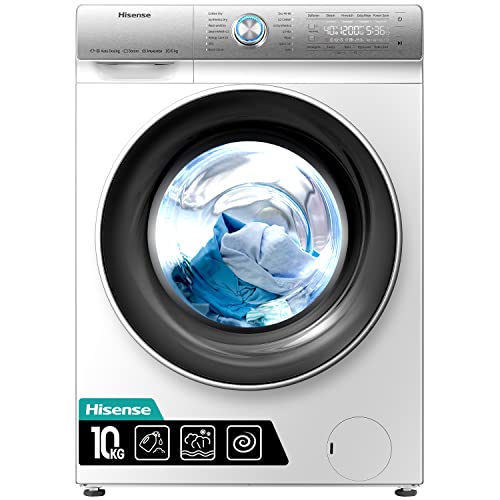
Convenience
Combination dryers for washing are excellent because they combine two appliances into one. This helps you save space and allows you to complete more laundry. They're also very simple to use making them a perfect option for small households and those with mobility issues that would make the transfer of wet clothes from the machine to the clothesline a challenge.
Since they work in one process, drying and washing they require less energy to operate than separate machines. They are more costly to maintain as they use more water and run for longer time than standalone washing machines. This is particularly the case if you live in an area that has high water bills because the additional running time will increase your utility costs.
The majority of all-in-one units come with the option to dry and wash the same load simultaneously and the ability to delay the process, which lets you set the drying and washing cycles to end when it's convenient for you. This is a huge convenience as it means you do not have to worry about not switching over the laundry before you leave for work or returning home to smelly, mildew-smelling clothes.
They are available as vented or ventless systems, and the washing cycle is similar to that of front-load washers. Ventless washers use dehydration as well as electric or natural heating to dry the laundry.
Both types have a wide range of settings, and a lot have programs specifically designed for specific fabric care needs. There are options for delicates as well as timed dry and an extra rinse. Some models have a sensor drying feature that measures the level of moisture and adjusts temperature. This saves energy by not drying out your clothes.
It's not surprising that washer dryer combos are increasing in popularity. They are a great option for busy families or anyone looking to save space in the laundry room. Decker and Sons has a great selection of these units if you're looking for a way to include one in your home.
Energy Efficiency
Washer dryer combos are a great option for those looking for a laundry system that conserves space and energy. These units are compact and use the process of condensation drying to finish the job without needing vents. They consume less water than conventional washers and dryers. With all these advantages it's no wonder they have become popular for apartment dwellers and those with limited home laundry space.
These machines were notorious for taking a long time before they gained popularity. This is because they didn't utilize air instead, but cooling systems similar to a dehumidifier, or AC. To make this process efficient the hot air is pushed through fins with a wide surface. The heat is cooled down by the water drawn from the drain. The cooling water is used to replace the hot water. This process is repeated until the machine is finished. This is a speedy method to dry your clothes however, it is more time-consuming than a standalone air dryer.
Most washer dryer combos are front-loaded models. This design makes it simpler to use compared to top-loading washers because you can reach drum with your arms. Front loading is a feature that enhances efficiency because the unit isn't required to move clothes as frequently as it would with top-loaders.
Certain models of washer dryer combos are able to recycle the water used for drying this could help you save more money in the long run. This is possible due to the fact that these units have a separate drain for the rinse process, which allows you to reuse the clean water that's typically drained from the drain. This is particularly useful for people who live in the Southwest in areas that receive plenty of rain throughout the year.
The primary disadvantage of a combination washer and dryer is that it's not as energy efficient as a standalone dryer. They can also be more affordable than standalone washers and dryers, but they can use lots of electricity and could take longer for your clothes to dry if you decide to use this system.
Simple to use
Combination dryers and washers make laundry day a breeze since you don't have to transfer your laundry from one appliance to the other like you would with standalone units. You can throw your dirty clothes into the washer before you leave for work, and be confident that they'll be spotless when you return. This is especially helpful for people who have mobility issues and may be unable to move the weight of their load between machines.
These dryers have simple controls and are easy to use. They're great for those who want to eliminate the laundromat, and simplify their laundry routine. Set the washer and dryer on your desired cycle and let them run. Check back in when they are finished. You can select from a variety of programs including delicates and wrinkle release.
The all-in one units are perfect for apartment dwellers and homeowners with limited space. They are also ideal for vacationers who don't want to spend money on energy and would rather avoid the laundromat. They are also a great choice for RV owners who don't want spend a lot on a separate venting system. However, if you have an entire family and require more capacity than what these compact washer dryers provide, you'll be able to get better results by using two separate units.
The only drawback is that these machines use more water to dry than they would when washing, and you could end up paying a more for your utility than you anticipated. This is why it's essential to keep your washing and drying routines in check by using the machines when required, and never overloading them.
All-in-one washer-dryer combos are great for smaller homes and households with only one person, but not for families or those who have mobility problems. Their compact size and easy-to-use controls make them easy to use. However their performance isn't quite as efficient as standalone units. They're also more expensive than regular appliances, and their motors are exposed to moisture, which can reduce their lifespan.